Mission trips play a unique role in the life of a youth ministry. They allow young people to step outside themselves and embody the example of Jesus we see in Philippians 2:1–11. At the same time, if you have been in youth ministry long enough, you know that your theological reasons for being there may not always match the variety of reasons students sign up. Some come because their friends are going. Some need service hours. Some receive scholarships. Some are encouraged by parents who want them to see life beyond what they know at home.
Whatever brings them there, mission trips can be deeply formative for students and adults alike.
At some point, the question will come: Why do we do this?
That is a question you can and should expect to surface. Young people are paying attention, and they often ask the questions that matter most. They notice that people may still be hungry tomorrow. Poverty is not erased in a week. A home may still need repair after the group leaves. The deeper brokenness of the world remains. So they ask what difference this really makes.
Those questions matter. They are not distractions from the trip. They are invitations into deeper reflection.
As theologians in their own right, young people often want to know what is really happening beneath the surface. What are we actually doing beyond helping people, encouraging service, and trying to follow the commands of Jesus?
Something deeper is happening.
Mission trips are more than checking the service box on the youth ministry calendar. With the right posture and approach, they become opportunities for young people and leaders alike to experience and participate in the reality God is creating for the world.
Yes, we are there to do what Jesus calls us to do. Yes, we want young people to value service. Yes, we want to respond to real human need. But we are also there to witness and participate in the ways God’s kingdom is breaking into our present lives.
Those questions matter. They are not distractions from the trip. They are invitations into deeper reflection.
We go on mission trips to seek God’s action and to join in it.
God is at work in those places long before we arrive and will continue to be at work long after we leave. We are not the saviors. That is God’s role. Rather, we humbly seek to participate in God’s redemptive work alongside the people already there.
When we begin with that posture, we relate to those we serve differently, and we answer students’ questions differently too.
To seek God’s action is to learn to see the world through the lenses of grace, hope, peace, love, joy, and justice. It is to ask where those gifts are already present, where they are lacking, and how we might join in the work that reflects God’s kingdom more clearly.
That may be a lot to explain to a young person in a van on the way to a worksite. In fact, it probably is. But that is why our role is not just to serve alongside students. It is also to help them reflect on what they are seeing and experiencing, so they can begin to recognize the deeper work happening beneath the surface.
We are not the saviors. That is God’s role.
We do that by doing the work with them, asking good questions, and reflecting alongside them as we go.
When we help students name what they are seeing, they begin to understand that these moments matter not only because they meet a need, but because they point to the kind of world God desires.
When we feed people together, for example, the moment matters not only because it helps. It also bears witness to the reality that in the kingdom of God, every person is seen with dignity and belovedness.
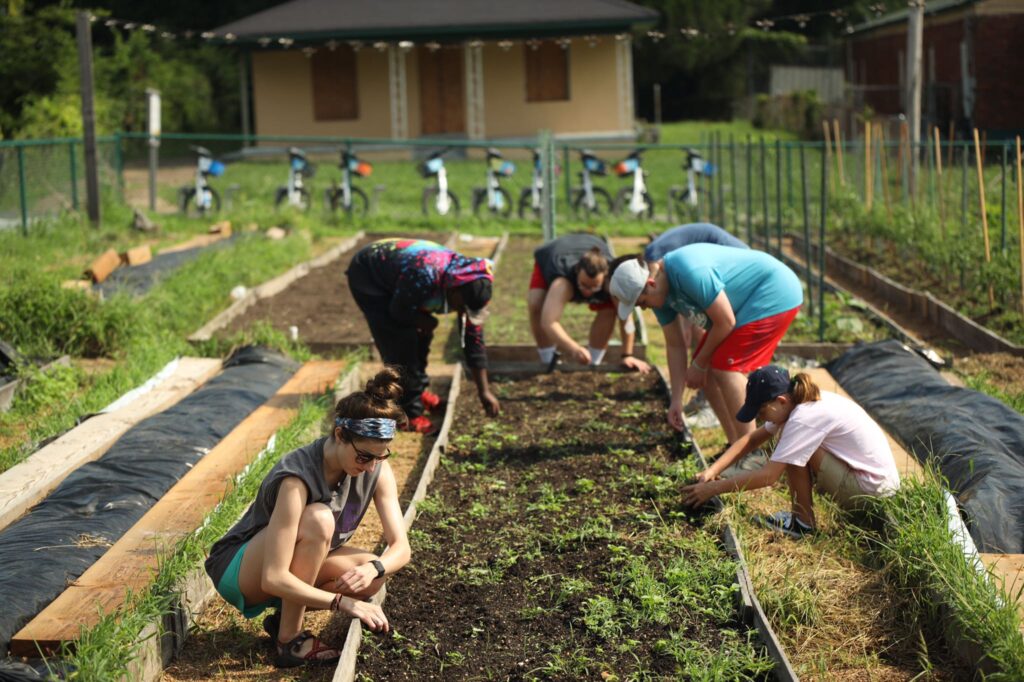
When we repair a home, listen to a neighbor’s story, or serve alongside a local ministry, we are doing more than completing a task. We are helping young people see others differently, understand community more deeply, and recognize that God is at work in ways larger than any single trip can contain.
These moments do not fix everything. They are not the fullness of God’s kingdom. But they do offer a glimpse of it. They give us a taste of what is to come, and those glimpses matter.
They awaken hope. They remind us that God is here, God is working, and God is still transforming ordinary moments into holy ones.
The work of a mission trip does not end when the trip is over. In many ways, it is just the beginning.
If the trip has done its deeper work, students return home with new eyes. They begin to notice where God’s kingdom is breaking into daily life. They become more aware of suffering, more attentive to injustice, and more open to the ways God may be calling them to participate in God’s work in their own communities.
That is part of the gift of a mission trip. It is more than a week of service. It is an invitation into a way of seeing and living.
Our work does not end when we come home. It continues as we keep paying attention, keep asking good questions, and keep joining the work of God in both ordinary and holy moments.
Mission trips matter because there is always something deeper happening beneath the surface.
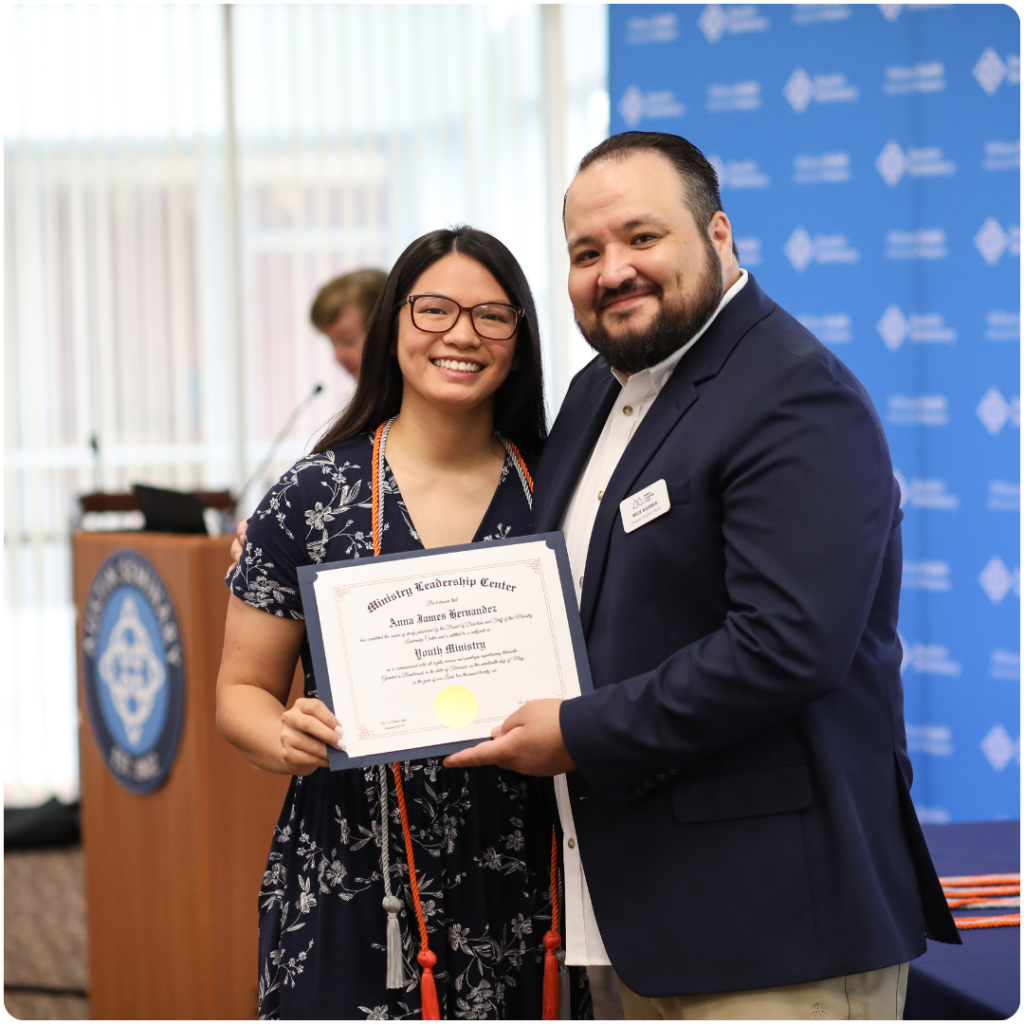
The Ministry Leadership Center equips leaders with practical training and deep theological reflection for the real work of ministry. If you’re looking for space to grow, explore our Certificate in Youth and Children’s Ministry or our graduate degree program designed for leaders actively serving in the Church.
About the Author— Andrew Mochrie holds an MA in Youth Ministry through MLC and Memphis Theological Seminary and a BA in Rhetoric from GCSU. He previously served in youth ministry in the UMC in Texas, Tennessee, and North Carolina in small to large congregations. Andrew is passionate about the intersection of youth, service, and theology. When not doing that, he loves spending time with his family, being outdoors, reading, traveling, and watching soccer.
Share

Subscribe to receive a monthly roundup of fresh insights and free tools for senior ministry leaders.