I see you, church leader. I see you looking at the calendar and realizing that it is – once again – stewardship season.
When I was asked to write this piece, my response was something along the lines of, “October is too late for a piece about stewardship.”
What if we take this opportunity to make sure that next fall, we aren’t approaching stewardship season with this familiar dread, anxiety, misgiving, or frustration?
What if we arrive in October of next year having talked about generosity all year long? What if our team has been noticing beautiful moments of generosity throughout the year?
What if our worship, bulletins, newsletters, visits and church events have been chock-full of moments to say thank you, or to reflect on how the Kin-dom of God is emerging thanks to gifts of time, talent and treasure?
Merriam-Webster defines stewardship as the careful management of what has been entrusted to our care. By that definition, how we use our time to nurture generosity is itself an act of stewardship. Generosity, after all, is a fruit of the Spirit.
My best teaching and leading happen when they are woven through every part of my ministry, not saved for one season of the year. Consider asking these five questions at the beginning of every month of the year:
Now, I am aware that some of the most important work of nurturing generosity is rooted in those last two questions. But I firmly believe that your team will gain wisdom and enthusiasm by talking about what they are observing first.
Here’s the thing, church leader: Stewardship isn’t a campaign we survive each fall. It is part of the larger work of transformational discipleship.
As people grow in relationship with the triune God, they become more generous – not because we found the perfect words in October, but because they have been changed all year long.
That means our own time and attention are gifts entrusted to our care, too. When we steward our leadership by noticing, naming and giving thanks month after month, we are doing more than preparing for a pledge drive. We are helping people see God at work in their own generosity – and inviting them to join in.
So imagine October of next year. The calendar turns, and instead of dread, you have a team that has prayed together all year, a file overflowing with stories, and a congregation that already knows what its generosity makes possible.
I see you, church leader. And I see what God is already doing through you.
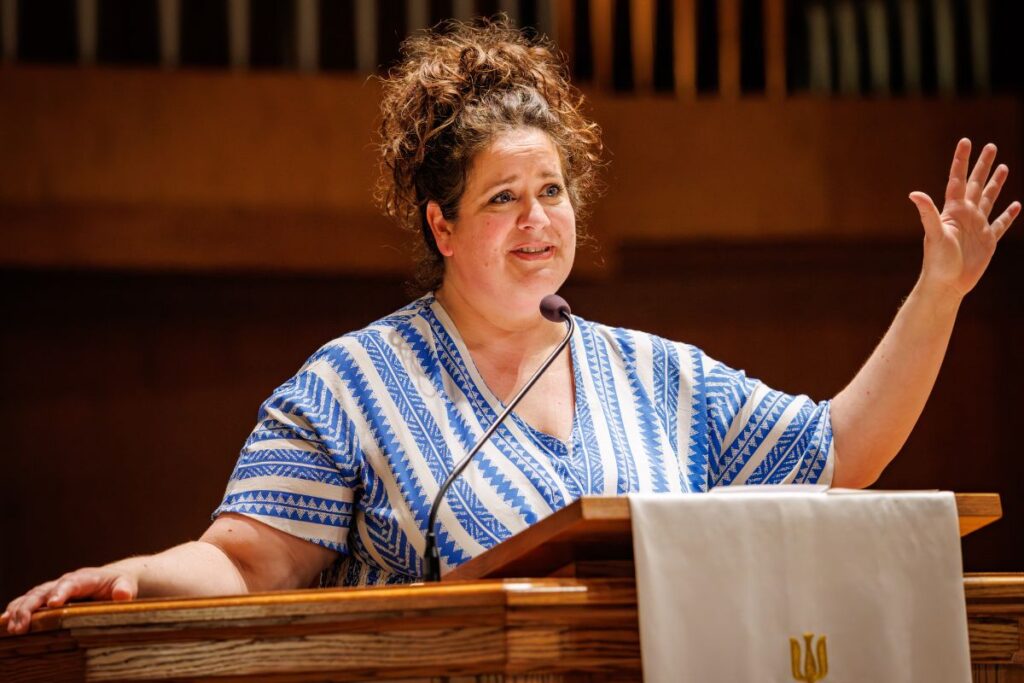
About the author — Rev. Dr. Laura Norvell (she/her) holds a BA from Indiana University and an MDIV from Wesley Theological Seminary. As an ordained elder in The United Methodist Church, she’s recently served in suburban congregations in the Baltimore Washington Annual Conference after serving 12 years in seminary development and administration. Recent work has been focused on congregational turnaround. Beyond the local church, she coaches with a focus on fundraising and leadership.
Share

Subscribe to receive a monthly roundup of fresh insights and free tools for senior ministry leaders.