Key Takeaways
If you clicked on this hoping for a five-step plan for reaching families, you’re going to be disappointed. (Stick around anyway.)
The parents in your congregation spend a lot of time looking for expert advice, don’t they? They read the books. Listen to the podcasts. They have their favorite “social experts” who give them a daily dose of “here’s what to do when your toddler____.” And they encounter a steady stream of labels and approaches: gentle parenting, authoritative parenting, neurodiversity-informed parenting, deconstructed approaches, and more.
Yet research shows parents still feel ill-equipped and under-resourced, especially when it comes to guiding their children’s faith formation. Maybe parents don’t need a universal fix, but a recipe for processing what is happening with their children, plus tools to address issues both practically and theologically.
Many parents carry their own experiences of church-hurt from childhood. They know they don’t want their kid to grow up experiencing rigid expectations, fear-based teaching, or messages that diminish their dignity. Even the idea is enough to drive them away from the church entirely. And sometimes, churches have reinforced those concerns rather than easing them.
But there is an expert on every child. And no, it’s not just the parent. The real wisdom is often found in the sacred space between a child and their parent, in the ongoing work of mutual knowing, attunement, rupture, and repair. We can learn to recognize God at work in that relational space.
Which is where the church comes in. Pastors and ministry leaders are trained to notice God at work in the space between people. So it’s time we got good at noticing it in families. That means knowing child development as well as we know the lectionary. It means being the person a parent can call when the advice on their feed contradicts the book on their nightstand, and helping them sort out what fits their family and what fits the Gospel.
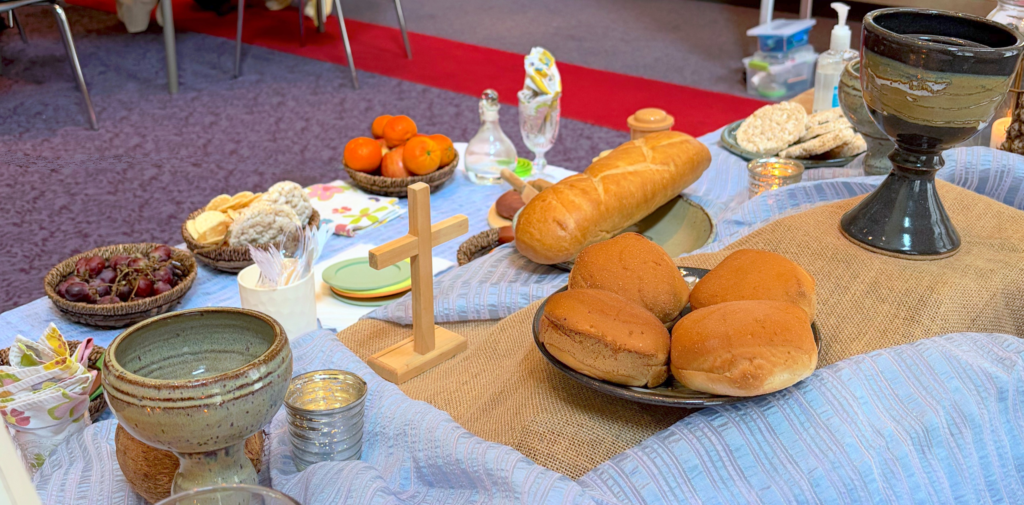
Some of us hear “parenting expert” and picture the one who hands down rules without ever learning a kid’s name. What we have in mind looks more like the road to Emmaus. Jesus draws near to two grieving disciples, asks what they’ve been talking about, and listens to the whole story. Then he opens the Scriptures and helps them make sense of what they’ve lived through. Only after Jesus has spent the day with them and they have eaten a meal together do the disciples realize who has been with them in their pain.
That’s our posture. We walk at the parent’s pace, ask honest questions, and listen to the whole story. And then, when it’s time, we speak. We trust that Christ is already on the road with their family. Our job is to know that road well enough to help them see it.
“We trust that Christ is already on the road with their family. Our job is to know that road well enough to help them see it.”
Much of the parenting advice available today, including some offered in Christian spaces, still centers on controlling behavior. But faithful parenting isn’t about control. It’s about co-creation. Partnership. Presence. It’s about cultivating the curiosity, safety, and trust required for meaningful questions to emerge, together. This is the kind of guidance the church is positioned to give.
Many parents are exhausted. The well is dry. The pressure is high. The culture is loud. And many churches have unwittingly added to the noise. They ask families to show up and behave, instead of offering sanctuary. We could be the ones who help parents sort through the noise: which voices are worth listening to, which ones are selling something, and which ones sound like the Jesus who called the children into the middle of the crowd.
When parents bring their kids to church, they’re asking: Is this a safe place for my child’s soul? Children can’t grow without safety or learn without trust. As ministry leaders, we can help parents build both at home and at church.
If you’re a pastor, a children’s minister, a volunteer, or just someone who cares about kids and families, know this: the people you serve need more than curriculum. They need you to know their families.
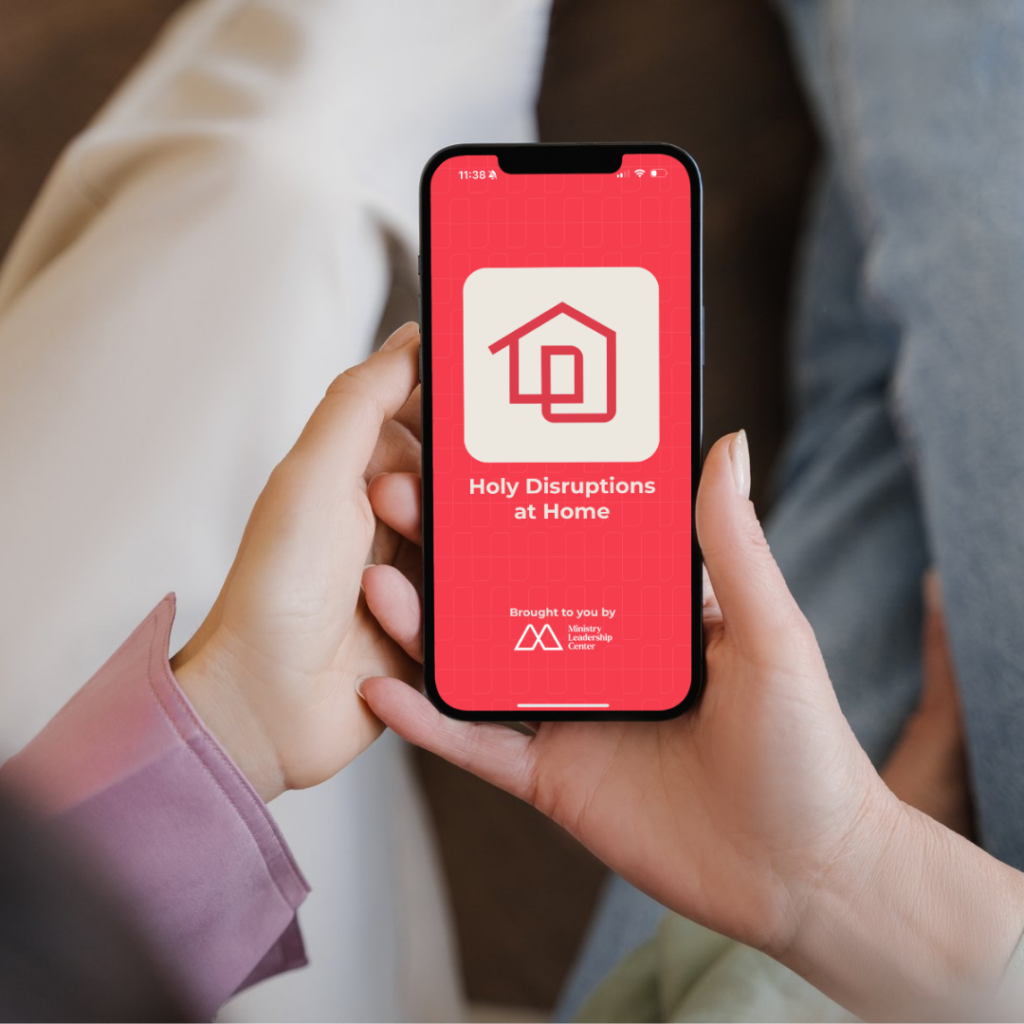
A not-so-quiet revolution is happening in the world of children’s spirituality. If we’re learning it, we owe it to parents. That means giving parents language that helps them engage their children theologically, and tools like our Holy Disruptions At Home app. It means creating spaces where kids can be kids without judgment about how loud or wiggly they are. We should give grace like candy and normalize imperfection.
And the research keeps affirming what our faith already tells us: kids need connection, not perfection. They need safety, not shame. Spiritual companions, not behavior managers. They need respect, nurture, problems to solve, and communities to support and challenge them. Kids need faith communities where connection, safety, nurture, and challenge can grow.
“Kids need connection, not perfection. They need safety, not shame. They need spiritual companions, not behavior managers.”
Parents need companions. People who will say, “You’re not alone.” People who know kids, know God, and can help them hold the two together. Adults who will sit beside them when their kids stink, and cry, and wiggle. Parents need a church willing to walk alongside them.
At the Ministry Leadership Center, we’re committed to walking alongside pastors, children’s ministers, and volunteers who are doing this hard, holy work. We want to be a resource and a companion for you.
Let’s build something deeper together: a children’s ministry rooted in grace, curiosity, safety, and joy, and a church that families can trust with their questions.
The Holy Disruptions at Home app equips you to pause, reflect, and guide your children with confidence. By blending emotional insight, biblical wisdom, and simple practices, HD at Home helps you transform life’s everyday disruptions into opportunities for growth and connection. Download it from the App Store or Google Play, or find more info here.
About the Authors—Rev. Dr. Erin Reed Cooper is an ordained minister in the Christian Church (DoC) and has been serving in family ministry roles in DoC, PC(USA) and UMC congregations for over 20 years, from rural Indiana to Atlanta GA. Erin has four children and lives in Richmond VA with some of those children and her wife, Emily. Erin earned her MDIV from Christian Theological Seminary in Indianapolis and her DEdMin from Columbia Theological Seminary in Atlanta.
Becca Bibee brings 15+ years of experience in children’s, youth, and adult ministry. A graduate of MLC, she holds an MA in Youth Ministry from Memphis Theological Seminary and a BMED from Birmingham-Southern College. Becca has written curriculum and led small groups in small, mid-size, and large UMC churches across the Southeast. She’s passionate about equipping youth workers for meaningful ministry.
Share


Subscribe to receive a monthly roundup of fresh insights and free tools for senior ministry leaders.