
by the Center for Youth Ministry Training
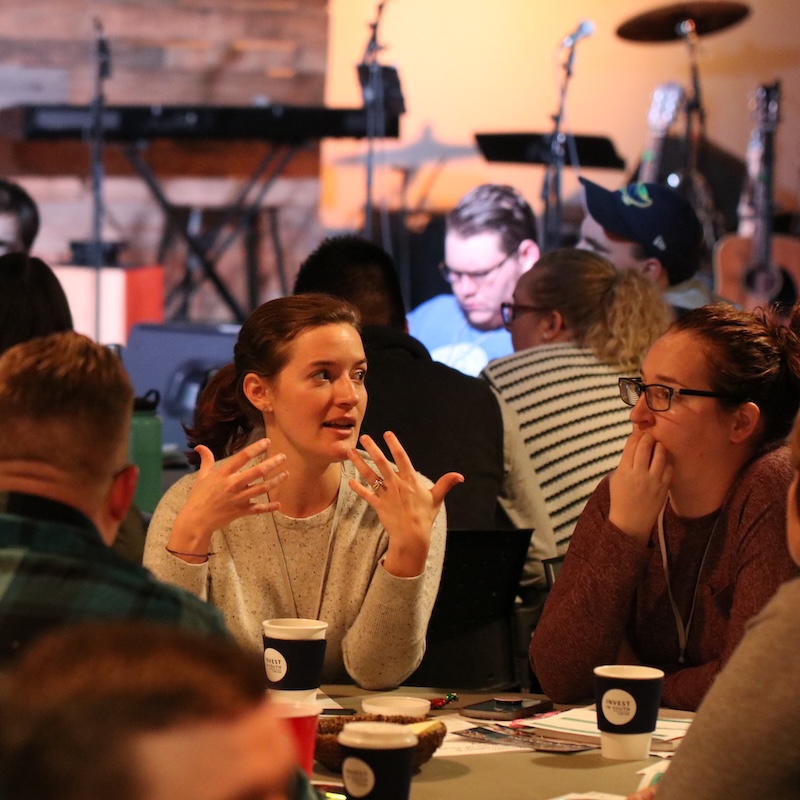
What makes your community unique or special? What are the real needs (not the perceived needs) of not only the youth and families in your congregation but the community surrounding your church? Are you aware of the racial, economic, and religious makeup of your community? Churches are influenced by and serve diverse people within the community, but not all youth ministers take the time to truly understand their context. We bring our own cultural biases to our church and community. Whether you are new to your context or you’ve been there 10 years, we can best reach our neighbors with the good news of the gospel when we take the time to really get to know them, their needs, and the unique gifts that they offer.
FOUR REASONS FOR EXPLORING YOUR CHURCH CULTURE:
What kind of setting do you serve? Urban? Rural? Small Church? Suburban? Select and read the article that most relates to your ministry context:
Basketball and the Unique Challenges of Urban Ministry by Dwight Johnson
Small Church Ministry by Paige Bach
Relational Rural Ministry by Maria Ghianni-Wilkinson
Student Ministry in the Suburbs by Abby Johnson
Use this week’s download to investigate your church’s culture and the community you serve. The assessment has questions that will guide in this process no matter where you live and serve and no matter how long you’ve been there. Use it with your student ministry team or if you are new to your church do it on your own. The guide is especially helpful to churches who have lost connection with the community around the church. It can also be helpful to churches who think their community makeup is one thing but the needs of their people are actually different. Let us know what you learn! Download Here.